

Posted on Wednesday February 18, 2026
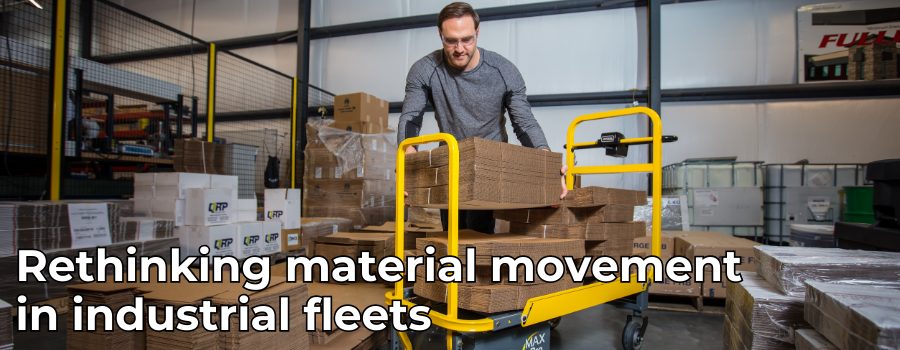
How material handling carts support safer operations
According to the 2025 Liberty Mutual Workplace Injury Report, workplace-related injuries cost U.S. companies over $58 billion in medical expenses and lost wages.
Overexertion is the number one cause, largely due to manual material handling, which accounts for $13.7 billion in costs.
“There are upwards of 62,000 injuries per year related to material handling equipment,” said Samantha Taylor, product manager at Amigo Mobility. “It’s kind of scary when you think about it, because you want to ensure that your employees are safe, that when they go to work, they’re able to do their job not only efficiently, but that they’re not going to hurt themselves.”
The safety manager of Boride Engineered Abrasives, Ernie Fryer, needed to eliminate the risk of pulling and tugging extremely heavy manual carts, but needed a solution that was compact and maneuverable in their 22,000 square-foot manufacturing facility.
He said, because Amigo’s material handling carts are smaller and lighter than other carts or large industrial trucks, they’ve had a significant effect on material movement efficiency and safety in the facility.
“Pulling and tugging 1,000 lb. carts was an extreme risk from an ergonomic standpoint, and the Amigo cart has eliminated that threat from our facility,” Fryer said.
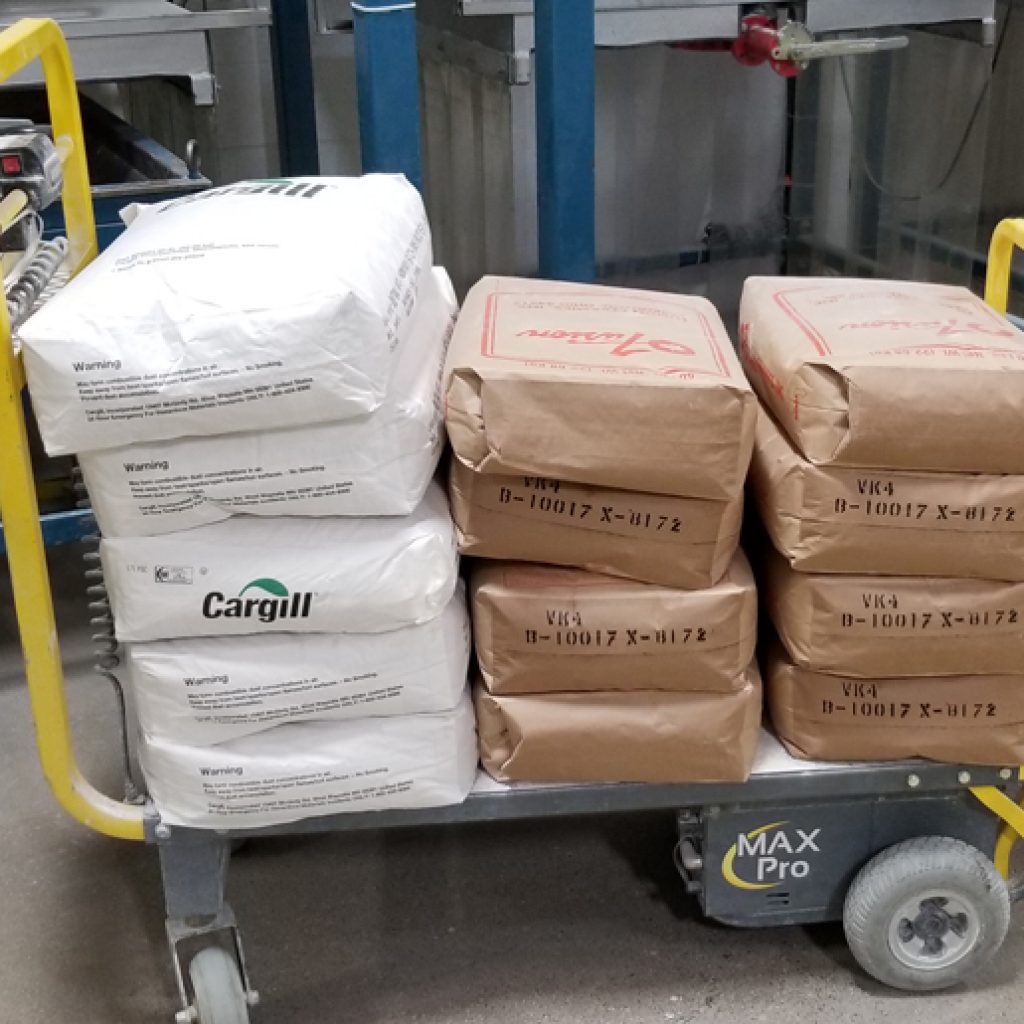
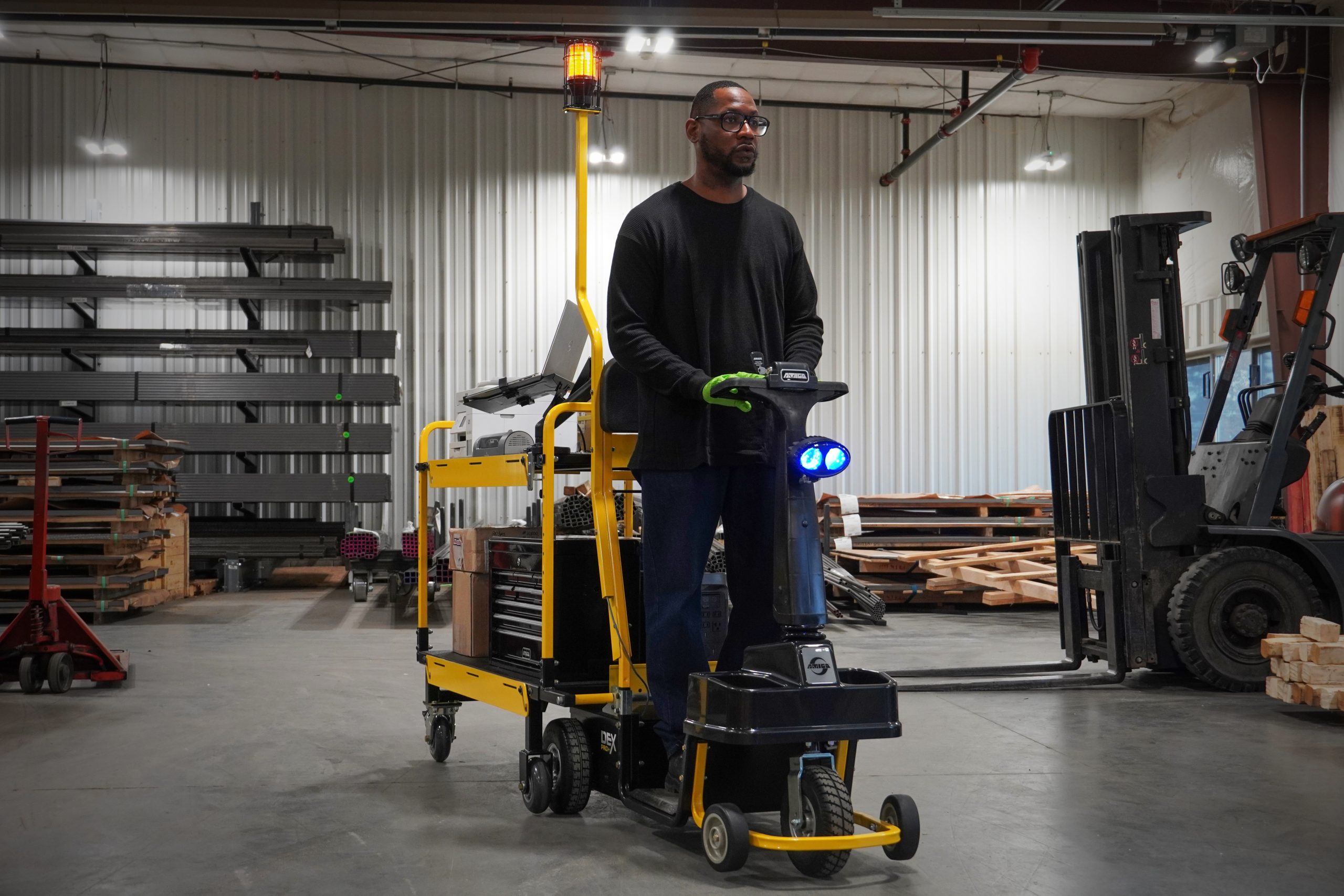
Amigo’s material handling carts use a stand-up design intended to improve visibility for the operator and for others working nearby.
“Being able to have a clear view, no matter what the facility’s size, is crucial. You’re not sitting, you’re not low to the ground. You can see your surroundings,” Taylor said.
This is something that was important to the Cotterman Company, a business that purchased Amigo’s material handling carts to help move supplies efficiently around its facility.
Rob Stimpson, Cotterman’s project manager, said the Amigo carts have been more maneuverable in tight spaces and offered a more cost-effective option for certain tasks when compared to the company’s large industrial trucks.
“It is much more maneuverable than the forklift, provides excellent visibility, and the operator can easily step on/off the platform. The solution reduced costs, but the real advantage is improved function,” he said.
Taylor said that when it comes to safety, understanding a facility’s specific needs is critical. Because operations vary widely, customization can improve how material handling equipment is implemented safely.
“Facilities prioritize different safety features, like visibility lighting or safety mats, and, in many cases, the equipment is adjusted to meet those specific requirements,” she said.
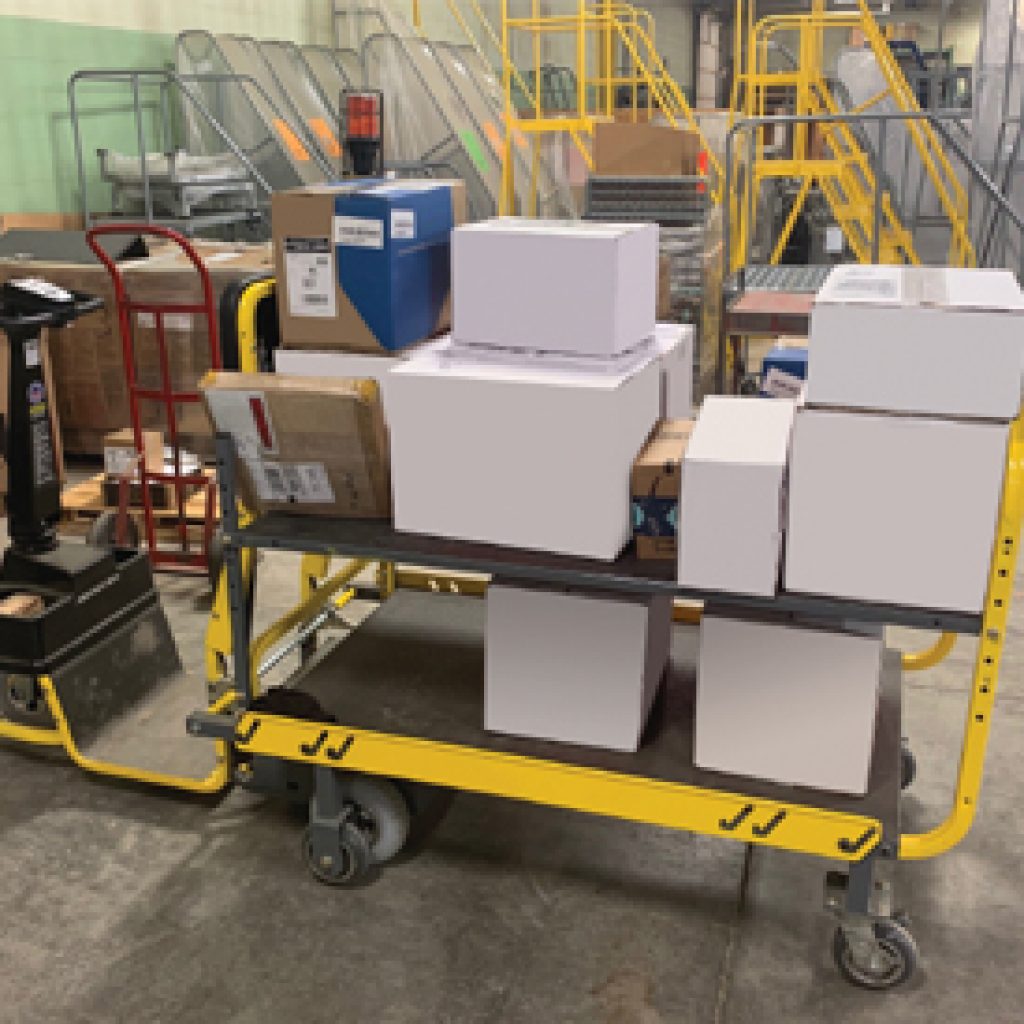
Many facilities use carts alongside other material handling equipment. In some cases, they are equipped with hitches or trailers to support order picking, package transportation, or facility maintenance tasks.
Because the carts are smaller and have a tight turning radius, the user can move easily through tight spaces and around corners. This helps free up work manual carts and larger industrial trucks aren’t suited for.
Over the last few years, there’s been a growing trend of reducing reliance on fork trucks from operations in warehouses and other facilities.
According to recent articles from CED Technologies, Inc. and Thomasnet, this is due to rising concerns over employee safety, the costs associated with purchasing and maintaining machinery, and waning returns on productivity.
“Large industrial trucks absolutely have a place in warehouses, but businesses are reevaluating the equipment they use to move materials,” Taylor said. “Material handling carts can fill operational gaps between manual carts and those industrial trucks. They’re not intended as replacements, but as complementary equipment within a fleet.”
A P&D manager from a package transportation company said before they began using Amigo carts at their facility, they used heavy manual carts which became burdensome over time.
“Number one, it’s tiring to [use them], especially when our building is as big and expansive as it is. Number two, it’s heavy, and it can be dangerous. There’s been plenty of times when people have hurt themselves pushing and pulling a cart, either hitting a foot or heel, or even due to the repetitive motion,” he said.
He said Amigo carts have boosted morale at the company, too.
“People are happier at work because of having an Amigo cart to move around the building to do their work instead of having to push around a cart or carry something in their arms,” he said.
As the material handling industry continues to grow, so does the need for right-sized equipment. Material handling carts are increasingly being used as a practical solution as fleet strategies continue to evolve.